Analysis of Repair Constraints on B-52 Warfighter Effectiveness
By By Capt Benjamin Huffman, AFIT/LSM
Posted Monday, February 23, 2026
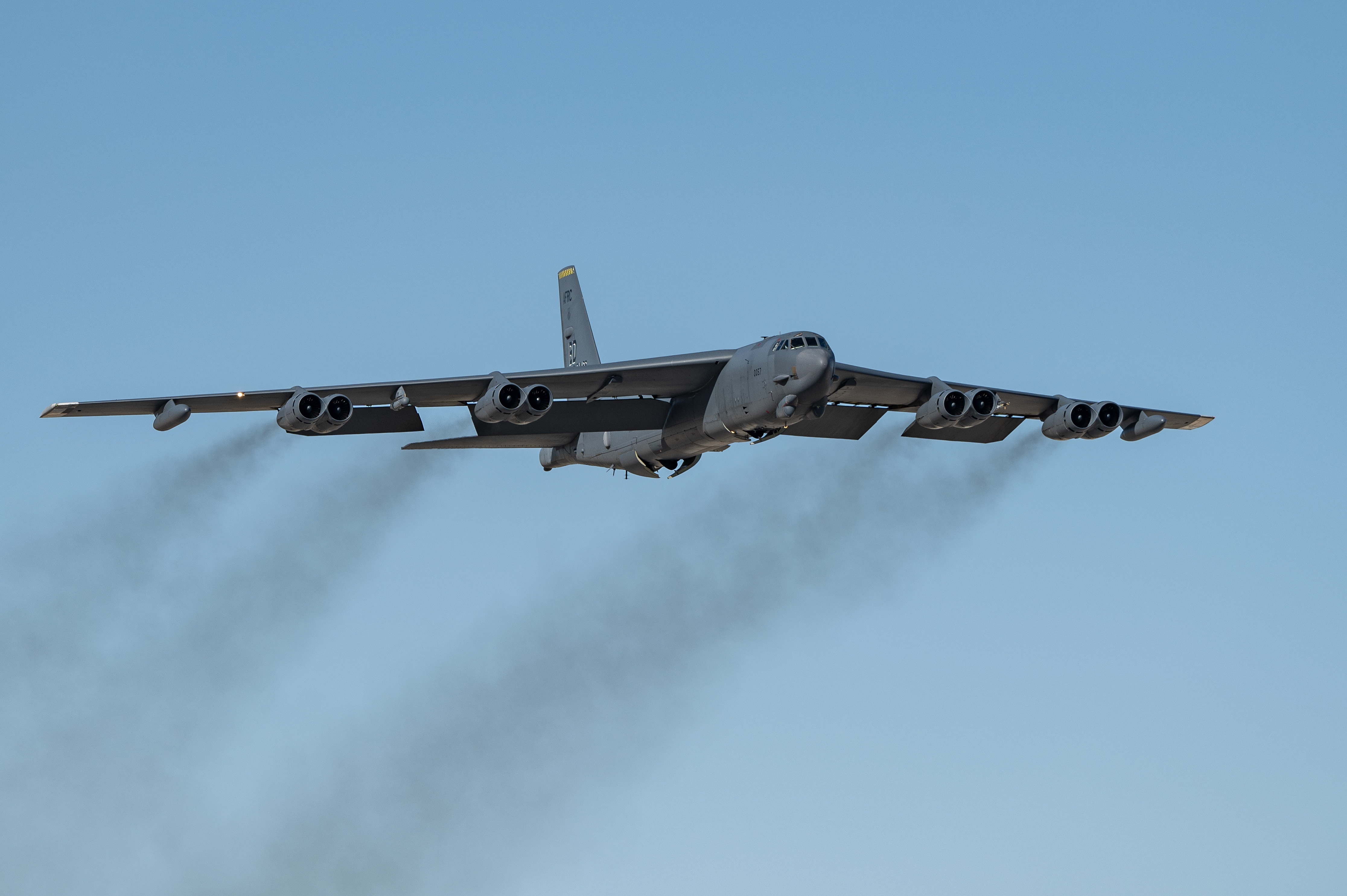
The Air Force Institute of Technology’s School of Systems
and Logistics (AFIT/LS) and the Air Force Sustainment Center (AFSC/A9) are
tackling a critical issue impacting aircraft maintenance and warfighter
effectiveness. A current study is
underway that focuses on the “fix” element of B-52 sustainment parts and how
constrained parts impact depot production and ultimately warfighter
capabilities. Pictured is a B-52 Stratofortress.
(U.S. Air Force contributed photo).
The Air Force Institute of Technology’s School of Systems
and Logistics (AFIT/LS) and the Air Force Sustainment Center (AFSC/A9) are
tackling a critical issue impacting aircraft maintenance and warfighter
effectiveness.
In Gen. Wilsbach’s first letter to the Air Force, a shared
major purpose of the Air Force is to “Fly.Fix.Fight,” or to “fly and fix so we
are ready to fight.” A current study is
underway that focuses on the “fix” element of B-52 sustainment parts and how
constrained parts impact depot production and ultimately warfighter
capabilities.
Currently, aircraft parts are constrained at USAF Air Logistic
Complexes (ALCs). This problem can arise when aircraft parts receive an “M”
constraint that when applied, bypasses the standard part prioritization system
and can delay the delivery of critical components to the field, potentially
decreasing warfighter effectiveness.
Richard Moore, lead analyst, AFSC/A9, described the need for
this study, “The Air Force implemented tools that made the depot repair process
more responsive to warfighter needs, but in recent times, those tools have been
changed to focus more on having stable repair inductions (efficiency) versus
warfighter support (effectiveness).
We wanted to understand the readiness cost of trying to
improve the efficiency of the depot repair process.”
To complete the study, AFIT/LS relied on its experienced
data team, that serves both USSF and USAF, to provide access and expertise in
the data environment to support logistics and supply-chain missions.
The study used data from Basing and Logistics Analytics Data
Environment (BLADE) and various statistical techniques to test the impact of “M”
constraints on mission capable (MICAP) hours, the time an aircraft is grounded
waiting for a part. The results were significant and found that each "M" constraint
adds three additional hours to an aircraft’s downtime.
While three hours may seem insignificant, the sheer volume
of these constraints causes a substantial, cumulative increase in MICAP hours. Extrapolating
all the "M" constraints across a year for all 76 B-52s in the AF inventory yields
roughly 160-320 added MICAP days per year, per aircraft.
Additionally, these singular and/or groupings of MICAP parts
drive the B-52’s Non-Mission Capable for Supply (NMCS) rate, or the percentage
of time possessed aircraft are not mission capable due to supply.
In summary, the findings reveal that aircraft spend more
time in maintenance, which delays their return to service and can potentially
impact the availability of vital assets to the warfighter.
As AFSC/A9 and AFIT/LS continue to study this problem, they
have expanded the scope of the study to include multiple airframes such as the
F-16, F-15E and KC-135. The goal is to determine if the same relationship
between “M” constraints and MICAP hours exists across different platforms.
AFIT/LS and AFSC/A9 aim to improve warfighter capabilities
by optimizing current systems and resource utilization through data analytics
to proactively address maintenance challenges and future mission demand.
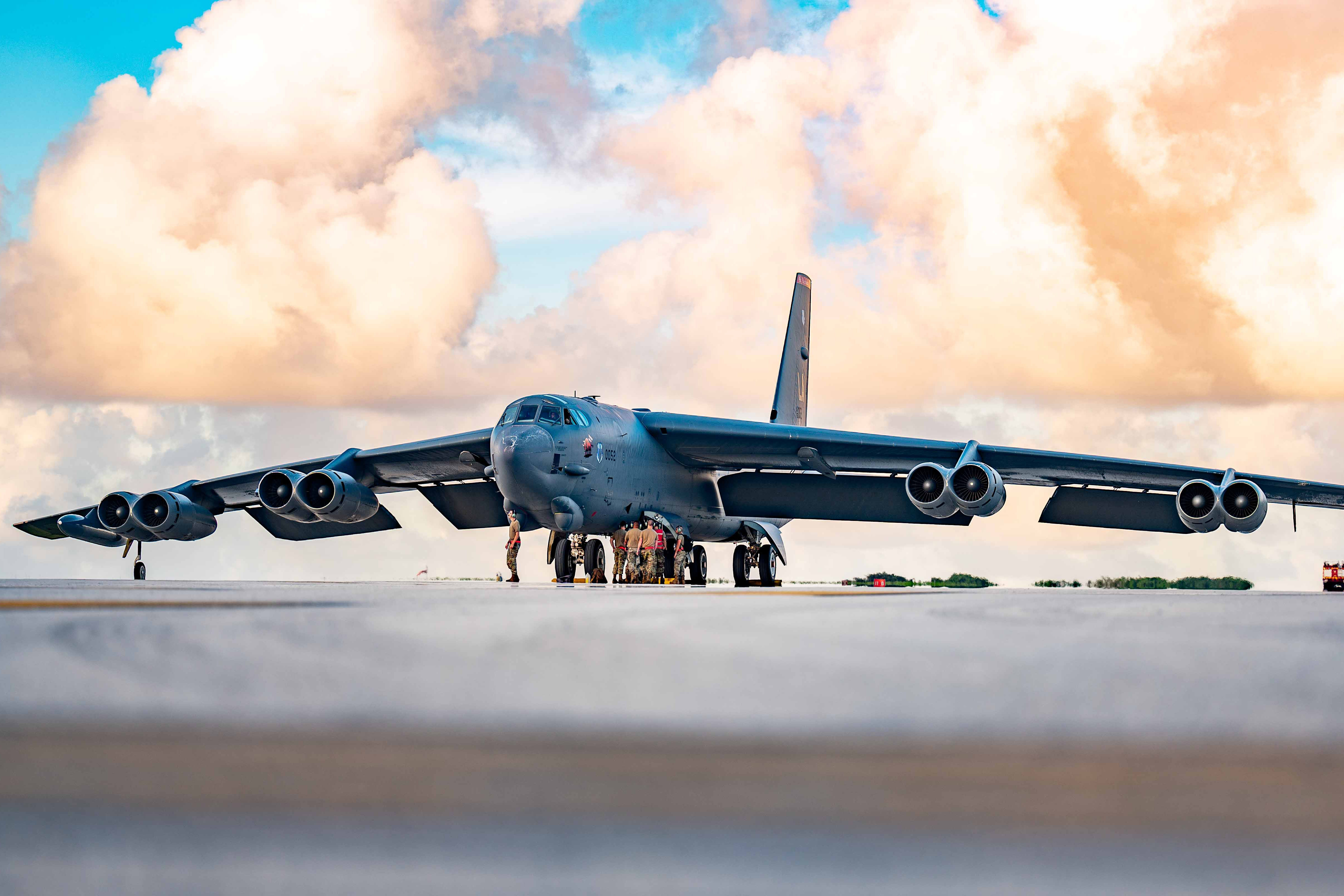
The Air Force Institute of Technology’s School of Systems and Logistics (AFIT/LS) and the Air Force Sustainment Center (AFSC/A9) are tackling a critical issue impacting aircraft maintenance and warfighter effectiveness. A current study is underway that focuses on the “fix” element of B-52 sustainment parts and how constrained parts impact depot production and ultimately warfighter capabilities. Pictured is a B-52 Stratofortress assigned to the 2nd Bomb Wing at Barksdale Air Force Base, LA. (U.S. Air Force contributed photo).
Furthermore, findings from this study have the potential to
improve aircraft availability by increasing B-52 operating hours by 14% and saving
over $100M, dramatically impacting the Air Force’s “Fly. Fix. Fight.” mission
through improved aircraft availability.
AFIT’s School of Systems and Logistics (AFIT LS) provides
initial skills and professional continuing education, or PCE courses in the
areas of acquisition management, contracting, cybersecurity, data analytics,
digital acquisition, financial management, logistics, process improvement, and
systems engineering. Faculty teach an average of 19,000 students a year
through in-residence, distance learning and on-site instruction. For more
information, please visit the AFIT LS webpage https://www.afit.edu/LS/ or
email AFIT.LS.EducationSupport@us.af.mil .
About AFIT
AFIT is located at Wright-Patterson AFB, Ohio. AFIT’s mission is to educate
defense professionals to innovatively accomplish the deterrence and warfighting
missions of the USAF and USSF. AFIT’s vision is to lead defense-focused
education, research and consultation to accelerate military superiority across
all domains and is accomplished through operationally relevant advanced
academic education, research, and professional continuing education. For more
information, please visit the AFIT webpage: https://www.afit.edu/