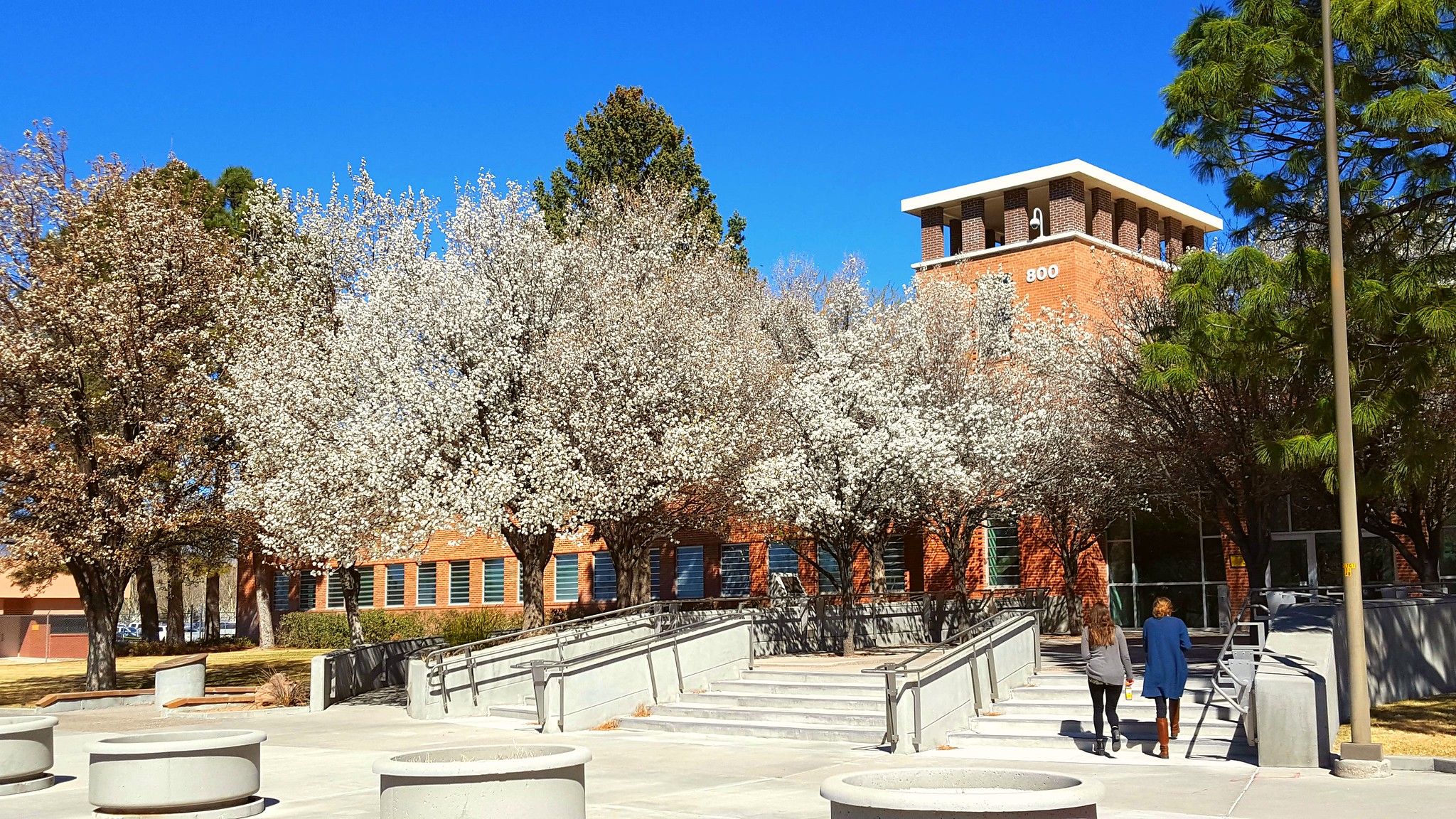
The Sandia National Laboratory visitor entrance in New
Mexico. (Contributed photo by Sandia National Laboratory)
The Air Force Institute of Technology’s Class 26M recently
traveled to New Mexico for a week-long educational tour of the birthplace of
nuclear technology. The visit provided students with valuable context for
understanding the significance of their work and insight into how the United
States maintains its nuclear stockpile.
The trip began at Los Alamos National Laboratory (LANL), where
students were immersed in the history and pioneering research that laid the
foundation for the nuclear age. From there, the class engaged with nuclear
experts from the Defense Threat Reduction Agency (DTRA) and the Air Force
Nuclear Weapons Center (AFNWC). During this portion of the visit, the group
received a command briefing that provided a first-hand perspective on today’s
challenges in sustaining and modernizing the nation’s deterrent.
The class also toured multiple facilities at the Air Force
Research Laboratory’s (AFRL) Space Vehicles Directorate, where they explored
the cutting-edge research that underpins U.S. space and nuclear capabilities.
The trip concluded with a visit to Sandia National Laboratories, further
expanding the students’ exposure to nuclear security and technology.
In total, 13 students and four faculty members participated
in the trip, gaining critical knowledge that will shape their future
contributions to the Air Force mission.
"The Nuclear Showcase trip that the department takes
each year is a vital part of the education at AFIT. It's one thing to learn the
physics in the classroom, but to go to the labs and see the work being
performed makes the experience come full-circle.
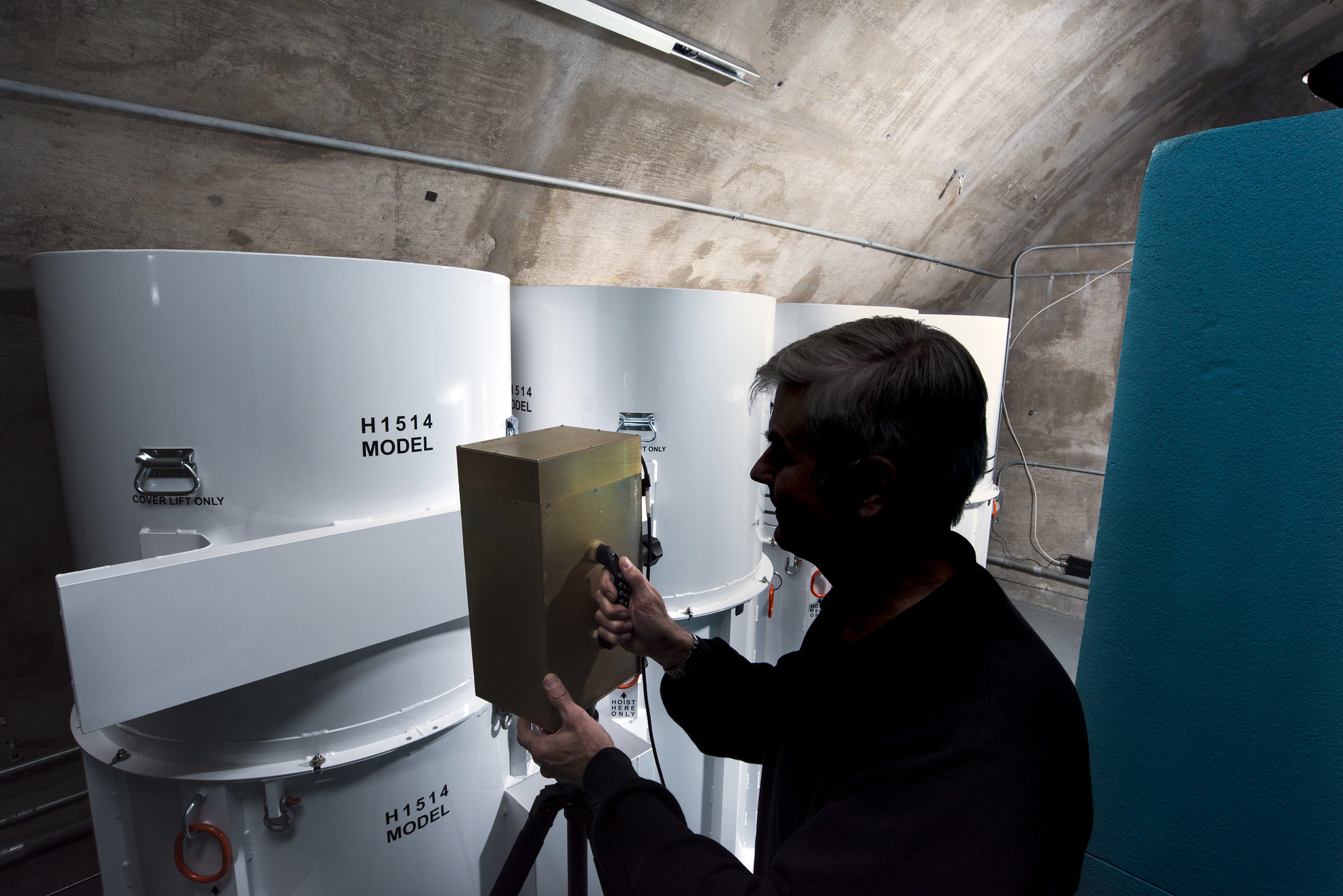
There is so much history to be learned at the labs, in
addition to the manufacturing facilities at Sandia and the simulation
capabilities at LANL, that is just something that must be witnessed in person,"
said Maj. Michael Ford, Ph.D., AFIT assistant professor of nuclear engineering.
Maj. Ford teaches several courses within the Department of Engineering Physics
including NENG 596: Nuclear Weapon Effects and NENG 620: Nuclear Reactor Theory.
For more information about AFIT’s Department of Engineering
Physics and its graduate degree programs, please visit https://www.afit.edu/ENP/. To learn more
about AFIT’s Nuclear Expertise
for Advancing Technologies (NEAT) Center, visit https://www.afit.edu/NEAT/.
AFIT’s Graduate School of Engineering and Management (GSEM)
provides in-residence and distance learning graduate degrees and certificates
in engineering, applied science, mathematics and management. GSEM provides its
students with several significant advantages, including a more personalized
educational experience, academic programs with a defense-related focus, and
research on high-priority defense problems.
About AFIT
AFIT is located at Wright-Patterson AFB, Ohio. AFIT’s mission is to educate
defense professionals to innovatively accomplish the deterrence and warfighting
missions of the USAF and USSF. AFIT’s vision is to lead defense-focused
education, research and consultation to accelerate military superiority across
all domains and is accomplished through operationally relevant advanced
academic education, research, and professional continuing education. For more
information, please visit the AFIT webpage https://www.afit.edu/.
